

Marketing Mastery #19: Staying Ahead with Competitive Brilliance in an AI-Driven World
Understand the AI Landscape
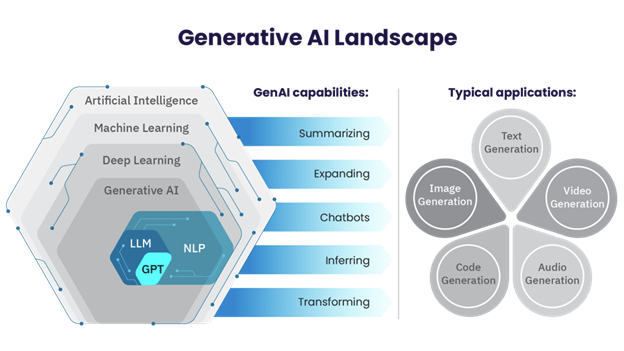
First, it’s essential to grasp the current state and future directions of AI. AI technologies such as machine learning, deep learning, and natural language processing are transforming industries by automating tasks, providing deep insights, and enabling data-driven decision-making. As these technologies evolve, so your solutions or marketing campaigns should be inline with it. (NOTE: If valid, then you messaging and positioning).
Emphasize Adaptability in Your Marketing Strategy
Adaptability is the key to future-proof your product. Highlight your product’s ability to integrate new AI technologies seamlessly. (NOTE: this you have integration or connectivity available with these techs). In addition, you need to ensure that you product team (product management/ engineering) is informed of the marketing. That is, you need to provide them insights from your customers. So, they can intrinsically bring in changes/ product enhancements to maintain a competitive edge.
Whether it’s adopting the latest machine learning algorithms or incorporating advanced data processing techniques, your messaging narrative should emphasize flexibility and scalability, and, in cases performance and cost-efficiency.
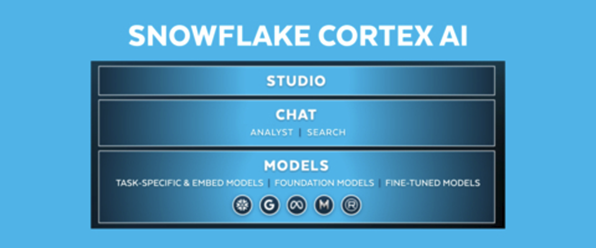
For example, Snowflake continually updates its platform to integrate the latest AI and machine learning technologies. Recently, they announced new innovations and enhancements to Snowflake Cortex AI and GA of Snowflake Feature Store. By doing so, they provide their customers with advanced data analytics capabilities, maintaining their competitive edge in the market.
Leverage AI for Enhanced Product Features
We all know that AI isn’t just a buzzword; it’s a tool that can significantly enhance your product’s features. So, the onus is on our product and engineering team to Implement AI-driven functionalities such as predictive analytics, automated data cleaning, or personalized recommendations. So, we will assume they are already bringing in advancement and changes to the product to take benefits of these capability and adding it to the product and an enhancement. In your marketing campaigns, focus on these AI-powered features and the tangible benefits they bring. For instance, highlight how predictive analytics can help businesses forecast trends more accurately, leading to better strategic decisions.
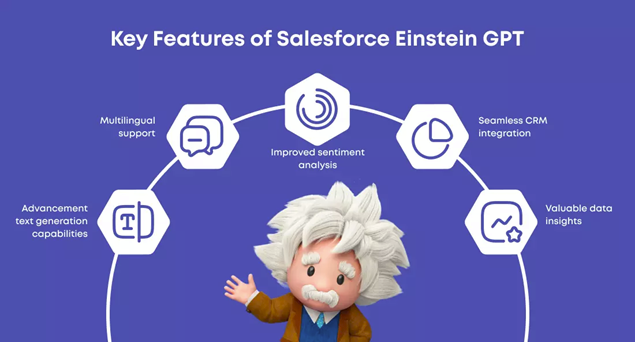
For example, Salesforce’s Einstein AI is a prime example of leveraging AI to enhance product features. Einstein provides predictive analytics and automated insights, helping businesses make informed decisions. Salesforce’s marketing has done a great job to increase awareness on how Einstein AI can transform customer relationships and drive business growth.
Build Trust Through Transparency
With increasing concerns about data privacy and security, transparency in how your product utilizes AI is crucial. Educate your audience on the ethical considerations and security measures in place. Clearly communicate how your product handles data, ensuring compliance with regulations like GDPR. Transparency builds trust, and trust is a powerful marketing asset.
For example, Microsoft consistently emphasizes its commitment to data privacy and security across its AI products. By being transparent about their practices and compliance with regulations, , Microsoft builds trust with its customers, reinforcing their brand’s reliability.
Position your Company as a Thought Leader
Establish your brand as a thought leader in the AI space. Regularly publish insightful content on AI trends, innovations, and best practices. Host webinars, participate in industry conferences, and engage with your audience on social media platforms. By positioning your brand as an expert, you not only build credibility but also attract a dedicated following of potential customers who look to you for guidance.
For example, IBM is a recognized thought leader in AI, frequently publishing research, hosting events, and providing educational content. Their Watson AI platform is showcased through various thought leadership activities, positioning IBM as a leading authority in the AI industry.
Foster a Community of Innovators
Encourage a community around your product. Create forums, user groups, or online communities where users can share insights, best practices, and innovative uses of your product. This not only fosters customer loyalty but also provides you with valuable feedback and new ideas to keep your product ahead of the curve.

For example, Databricks fosters a vibrant community through their user forums and the Databricks Community Edition. By enabling users to share knowledge and collaborate, Databricks strengthens its customer relationships and drives product innovation.
Highlight Real-World Success Stories
Nothing speaks louder than real-world success. Collect and share stories of how your data product has helped clients overcome challenges and achieve their goals through AI integration. Use these stories in your marketing campaigns to illustrate the practical, real-world benefits of your product.
For example, AWS frequently shares customer success stories, showcasing how businesses use AWS’s AI and machine learning services to drive innovation and solve complex problems. These case studies serve as powerful testimonials to the capabilities of AWS’s products.
Conclusion
Future-proofing your product in an AI-driven world is not just about technology; it’s about strategic marketing. By emphasizing adaptability, leveraging AI for enhanced features, building trust through transparency, and positioning as a thought leader, you can ensure your data product remains relevant and competitive. Foster a community of innovators and highlight real-world success stories to navigate the AI future with confidence. As a product marketer, your role is to not only keep your product at the forefront of technological advancements but to communicate its value compellingly and effectively.